
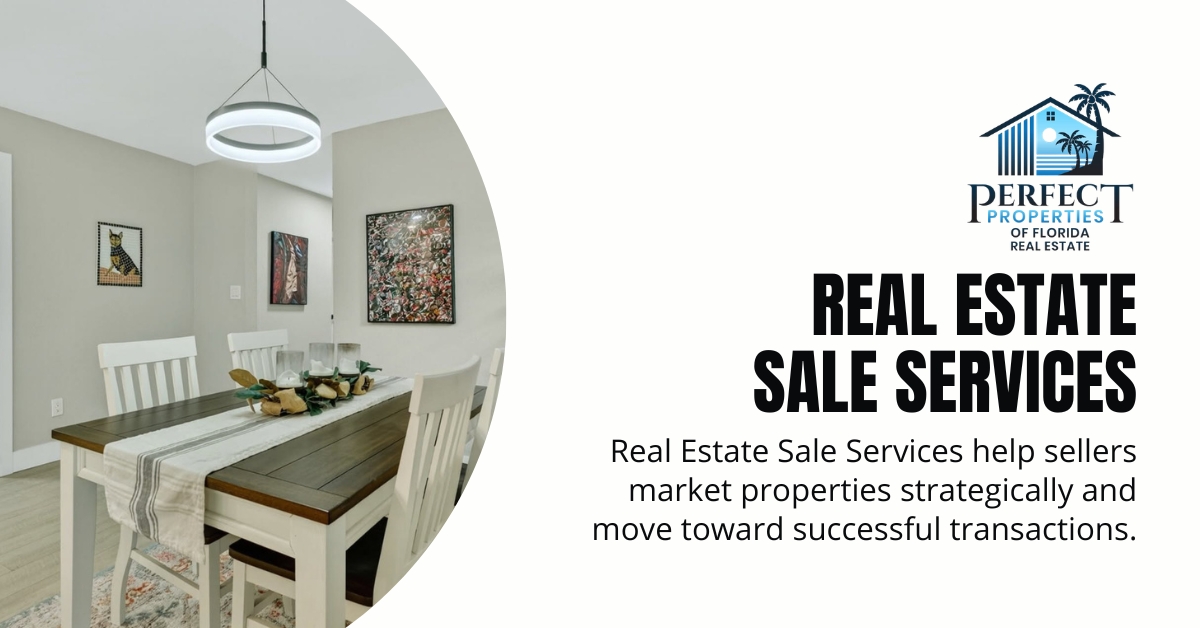
If you are thinking about putting your property on the market, you have probably already noticed that Real Estate Sale Services in Fort Lauderdale is not quite the same as selling one anywhere else. Between the seasonal snowbird buyers, the mix of waterfront condos and single-family homes, and a market that shifts with interest rates and hurricane season alike, sellers here need a strategy that actually fits South Florida. This guide walks you through what it really takes to sell your home in Fort Lauderdale, from understanding the local market to choosing the right listing agent and getting your property in front of serious buyers.
Whether you are selling your first house, downsizing after years in the same neighborhood, or relocating out of state, the process can feel overwhelming if you go in without a plan. The good news is that most of what makes a sale successful comes down to a handful of decisions made early, not luck.
Understanding the Fort Lauderdale Real Estate Market
Fort Lauderdale’s housing market runs on its own rhythm. Inventory tends to tighten in the winter months as out-of-state buyers arrive looking for warm-weather properties, while summer often brings a quieter pace with more room for negotiation. Waterfront and canal-front homes carry a premium that inland properties simply do not command, and condo buyers pay close attention to HOA fees, reserve funds, and building age in a way that single-family buyers rarely think about.
Local experience matters here because pricing a home without accounting for these nuances almost always leads to one of two outcomes: an overpriced listing that sits for months, or an underpriced one that leaves money on the table. A brokerage that works this market regularly, rather than one that treats Fort Lauderdale as just another zip code, will price and position your home with these local factors already built in.

How to Sell Real Estate: A Step-by-Step Overview
So, how to sell real estate the right way, without leaving money on the table or dragging the process out longer than it needs to be? While every sale has its own wrinkles, most successful transactions follow a similar sequence.
- Get a realistic market valuation. This means comparing your home against recent, comparable sales in your specific neighborhood, not a generic online estimate.
- Prepare the property. Minor repairs, decluttering, and light staging almost always pay for themselves in a faster sale and stronger offers.
- List strategically. This includes professional photography, an accurate description, and placement on the Multiple Listing Service and major buyer-facing platforms.
- Negotiate offers. A skilled agent evaluates not just price, but financing terms, contingencies, and closing timelines.
- Manage inspections and appraisals. This is often where deals fall apart if not handled carefully.
- Close the sale. Final paperwork, title transfer, and funds disbursement wrap up the transaction.
Each of these steps sounds simple in a list, but the details inside each one are where deals are won or lost, which is exactly why most sellers choose to work with an experienced local agent rather than go it alone.
Working With a Listing Agent in Fort Lauderdale
One of the biggest decisions you will make as a seller is who represents your listing. This choice affects everything from your final sale price to how smoothly the transaction moves along.
What Is a Listing Agent?
A listing agent, sometimes called a seller’s agent, is the real estate professional who represents you, the homeowner, throughout the sale. Their job is to price your home accurately, market it to qualified buyers, negotiate offers on your behalf, and guide the transaction through to closing. Unlike a buyer’s agent, a listing agent’s legal and financial obligation is to protect your interests as the seller, not the buyer’s.
How to Choose a Listing Agent
Choosing a listing agent is not just about who has the friendliest sales pitch. Look for someone who can show you recent sales in your specific neighborhood, not just citywide averages. Ask how they plan to market your property, including photography, online exposure, and open houses. Pay attention to how clearly they explain pricing strategy and whether they are honest about your home’s real market position rather than telling you what you want to hear. Local track record in Fort Lauderdale specifically should weigh heavily, since agents who work other markets often miss the details that matter here, from condo association requirements to flood zone disclosures.
How to Find a Listing Agent on a Property
If you have ever seen a home you liked and wondered how to find the listing agent on that property, there are a few reliable ways to do it. Most listings on major real estate platforms display the listing agent’s name and brokerage directly on the property page. You can also search the property address through your local MLS portal, contact the brokerage directly, or in many cases, find agent contact information on the yard sign itself. This is useful whether you are researching competing listings before pricing your own home or simply curious about who represents a specific property.

Understanding MLS and Listing Services
If you are new to selling, you will hear the term MLS constantly, and for good reason.
What Is Multi Listing in Real Estate?
Multi-listing, more accurately called the Multiple Listing Service or MLS, is a shared database that real estate agents and brokers use to list properties for sale. When your home goes on the MLS, it becomes visible to virtually every licensed agent in the area, and by extension, to the buyers those agents represent. This is different from simply posting a listing on a public website. MLS exposure is what feeds most of the major real estate search platforms buyers actually use, which is why getting your home properly listed there is one of the single most important steps in a successful sale.
A well-optimized MLS listing includes accurate square footage, high-quality photos, an honest and compelling description, and correct categorization for features like waterfront access, pool, or garage. Small errors here, like an inaccurate bedroom count or missing photos, can quietly cost you serious buyer interest before a single showing happens.
How to Increase Home Value Before Selling
Every seller wants to walk away with more money, and in most cases, a few targeted improvements can genuinely move the needle. The key in Fort Lauderdale is focusing on upgrades that matter to local buyers rather than spending broadly.
Start with the exterior. South Florida buyers notice curb appeal quickly, and fresh landscaping, exterior paint touch-ups, and a clean driveway create a strong first impression before anyone walks through the door. Inside, focus on kitchens and bathrooms, since these rooms influence buyer decisions more than almost any other space. You do not need a full renovation. New cabinet hardware, updated lighting fixtures, and fresh paint in neutral tones often deliver a strong return without a major financial commitment.
Given the climate here, buyers also pay close attention to roof age, air conditioning system condition, and hurricane protection features like impact windows or shutters. Addressing any obvious issues in these areas before listing, or at minimum having documentation ready, prevents buyers from using them as negotiating leverage later. Finally, decluttering and deep cleaning cost little to nothing but consistently rank among the highest-impact changes a seller can make before photos are taken.
Short Sales and Quick Sales Explained
Not every sale follows the traditional path, and it helps to understand the alternatives, especially if your situation is more complicated than a standard sale.
What Is a Short Sale in Real Estate?
A short sale happens when a homeowner sells their property for less than what is owed on the mortgage, with the lender’s approval. This typically occurs when a seller is facing financial hardship and cannot keep up with payments, but wants to avoid foreclosure. Because the lender has to agree to accept less than the full loan balance, short sales usually involve more paperwork and a longer approval timeline than a standard sale, but they can be a far better outcome for a struggling homeowner’s credit than a foreclosure.
What Is a Quick Sale in Real Estate?
A quick sale refers to selling a property in a significantly shorter timeframe than a typical listing, often by pricing it competitively, working with a cash buyer, or targeting investors actively looking for fast transactions. Sellers pursue quick sales for many reasons, including relocation deadlines, inherited property they do not want to manage, or simply wanting to avoid a prolonged listing process. While a quick sale may mean accepting a slightly lower price than a fully marketed listing might eventually achieve, it trades some upside for speed, certainty, and reduced holding costs.
Why Work With Perfect Properties of Florida
Selling a home is rarely just a transaction. It is often tied to a job change, a growing family, retirement plans, or simply a new chapter. Perfect Properties of Florida works with Fort Lauderdale sellers who want more than a sign in the yard and a listing on a website. That means honest pricing conversations from day one, marketing built around how today’s buyers actually search for homes, and a team that understands the specific dynamics of Fort Lauderdale neighborhoods, from Victoria Park to Coral Ridge to the beachside condo market.
Local knowledge shows up in the details that matter most: knowing which buyers are drawn to a particular street, understanding how a specific condo building’s HOA reputation affects buyer interest, and recognizing when a property is priced right versus when it needs adjusting before it sits too long on the market. That combination of experience and attentiveness is what turns a listing into a closed sale.

Common Mistakes Sellers Make in Fort Lauderdale
Even motivated sellers stumble into avoidable mistakes. Overpricing based on emotional attachment rather than comparable sales data is one of the most common, and it almost always backfires by making the home sit longer and eventually sell for less than a correctly priced listing would have. Skipping professional photography is another frequent misstep, since the majority of buyers form their first impression online before ever requesting a showing.
Some sellers also underestimate how much condo-specific paperwork, HOA disclosures, and flood zone documentation can slow down a sale if it is not prepared in advance. Others try to handle negotiations without professional guidance, only to leave money on the table or accept unfavorable contingencies simply because they did not know what was standard practice locally. Working with an experienced Fort Lauderdale listing agent helps sidestep nearly all of these issues before they become costly problems.
Conclusion
Selling your home in Fort Lauderdale does not have to be stressful or uncertain. With the right pricing strategy, a properly optimized MLS listing, smart pre-sale improvements, and an experienced local listing agent guiding the process, you put yourself in the strongest possible position to sell efficiently and for the right price. If you are ready to take the next step, Perfect Properties of Florida is here to help you navigate every part of the process with local expertise you can trust.
FAQ’s
How long does it take to sell a home in Fort Lauderdale?
Timelines vary by season and pricing, but well-priced homes in desirable Fort Lauderdale neighborhoods often go under contract within 30 to 60 days. Overpriced listings or those needing repairs can take significantly longer without adjustments.
Do I need a real estate agent to sell my home in Florida?
It is not legally required, but selling without an agent means handling pricing, marketing, negotiations, and disclosures alone. Most sellers find that an experienced local agent’s market knowledge and negotiation skills more than offset the commission cost.
What documents do I need to sell my house in Fort Lauderdale?
You will typically need the property deed, mortgage payoff statement, HOA or condo association documents if applicable, recent tax records, and a seller’s disclosure form outlining known property issues.
Is it better to sell in the winter or summer in Fort Lauderdale?
Winter often brings more buyer activity due to seasonal residents and vacationers exploring the market, while summer can offer less competition among sellers. Both seasons can work with the right pricing and marketing strategy.
What is the difference between a listing agent and a buyer’s agent?
A listing agent represents the seller’s interests, focusing on pricing and marketing the property. A buyer’s agent represents the purchaser, helping them find homes and negotiate favorable terms on their behalf.
Can I sell my home if I still owe money on my mortgage?
Yes, most home sales use the proceeds to pay off the existing mortgage balance at closing. If your home’s value is less than what you owe, a short sale may be necessary instead.