
There is a common assumption in real estate that a good agent is a good agent, that once someone has the license and the market experience, the type of property is a detail. On most listings, that is broadly true. On a waterfront property, it is emphatically not. Buying a home with a dock, a seawall, ocean or intracoastal access, or even just a canal behind the pool is a genuinely different transaction from buying any other home, and the mistakes people make are almost never on the parts a generalist would call obvious. They are on the parts a generalist has never had to think about.
This guide walks through the specific question honestly: when it genuinely matters to hire a real estate agent who specializes in waterfront properties, what a specialist actually knows that a generalist typically does not, what to look for when you vet one, and where a good generalist is still the right hire. If you are buying or selling anywhere on or near the water in a market like South Florida, this is the conversation worth having before you sign a listing or a buyer representation agreement.
The Short Answer
Yes, for most waterfront transactions, hiring an agent who specializes in waterfront and luxury properties is the better choice. The reason is not marketing. It is that a genuine specialist knows several categories of due diligence and negotiation that generalists routinely miss, and those misses tend to be expensive.
That said, “specialist” needs to mean something more than a bio line. The rest of this article is really about what a real specialist knows, and how to tell the difference between an agent who genuinely works these properties and one who advertises the label.
What Makes a Waterfront Property a Different Transaction
Before evaluating agents, it is worth being specific about what actually changes when a home sits on the water. Six things matter, and none of them come up on a landlocked property.
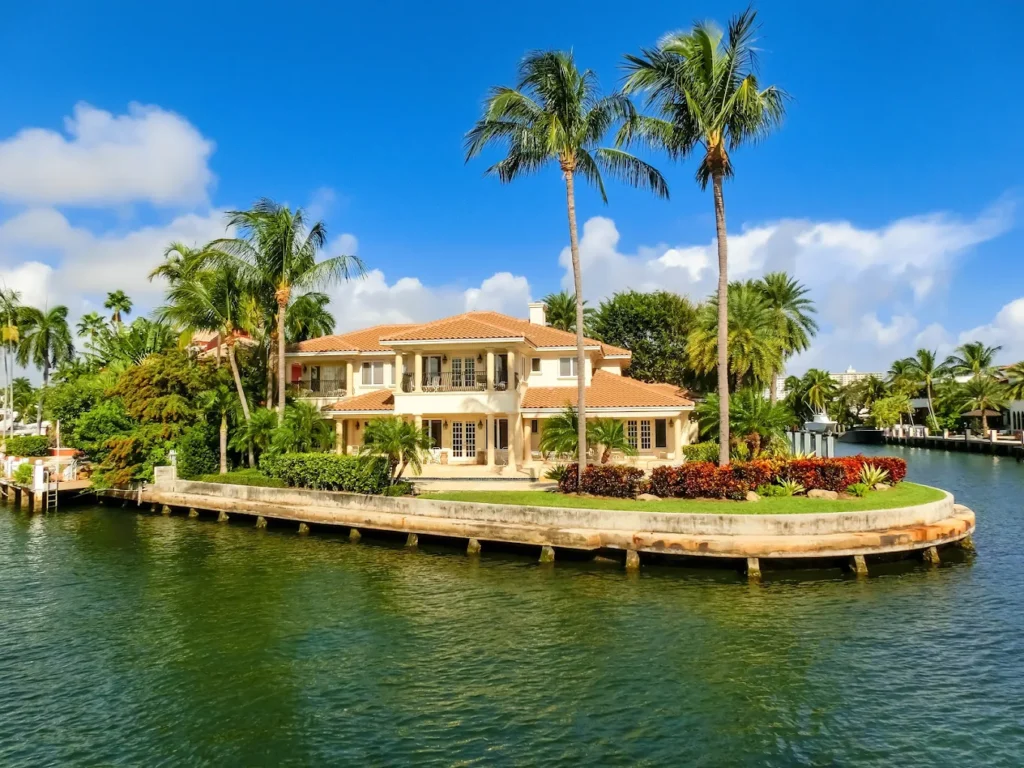
Water access and boat use. Not all waterfront is the same. An ocean-access property, a fixed-bridge canal property, a lake, a pond, and a wide intracoastal frontage all imply different lifestyles and support different boat sizes. A canal home under a low fixed bridge cannot accommodate the sailboat someone imagined they were buying. This is one of the most common expensive surprises in the entire market.
Docks, lifts, and marine structures. These are physical assets that need inspection, and their condition can vary from pristine to structurally compromised. A missing or informal permit history on a dock can also become a real problem at closing or later. The value of a home changes materially with whether it has a functional dock, a permit-current dock, or a dock that will need to be rebuilt.
Seawalls. For most waterfront homes, the seawall is the single most important piece of infrastructure on the property, and it is invisible until it is failing. Seawall condition, age, and repair history should be a top-tier diligence item on any purchase, and replacing one is a five- or six-figure expense, sometimes higher.
Insurance and flood zones. Waterfront properties frequently sit in higher-risk flood zones, which changes insurance costs materially and, in some cases, changes what a lender will approve. Flood insurance, wind coverage, and elevation certificates all matter, and none of them exist in a comparable form for a landlocked home.
Environmental and jurisdictional rules. Waterfront ownership implicates a genuinely more complicated legal picture: riparian rights, submerged land leases in some cases, homeowner association marine rules, dock permit conditions, and both state and federal environmental agencies with a say over what an owner can do to the shoreline.
Bridge clearances and navigation. Even in a strong market, a property’s usable water access depends on the fixed-bridge clearances between it and open water. This is a specific, physical constraint that determines what you can moor at the dock.
An agent who does not know how to walk a buyer or a seller through these six areas is not equipped for the transaction, no matter how good they are at generalist work.
What a Waterfront Specialist Actually Brings to the Table
Now compare that list to what a genuinely specialized agent knows and does differently.
They Read a Listing Differently
A specialist looks at a waterfront listing and immediately sees the physical details a generalist skims past: the seawall type and apparent age, the dock configuration and lift capacity, the water depth at low tide, the orientation to the sun and wind, the neighboring properties’ setback and lot lines on the water side. They also read what a listing does not say. A waterfront listing that skips a section on dock permits or seawall history is often not skipping it by accident.
They Guide Real Due Diligence
On a waterfront purchase, a good specialist walks a buyer through diligence steps a generalist typically never mentions: pulling dock and seawall permit history from the appropriate municipal or county records, arranging a marine or dock inspection separate from the standard home inspection, confirming water depth and bridge clearance for the buyer’s intended boat, reviewing flood zone status and requesting an elevation certificate, and identifying any homeowner association or environmental restrictions that limit what an owner can do on the water side of the property. These are the steps that catch expensive problems before closing, not after.
They Understand Waterfront Pricing
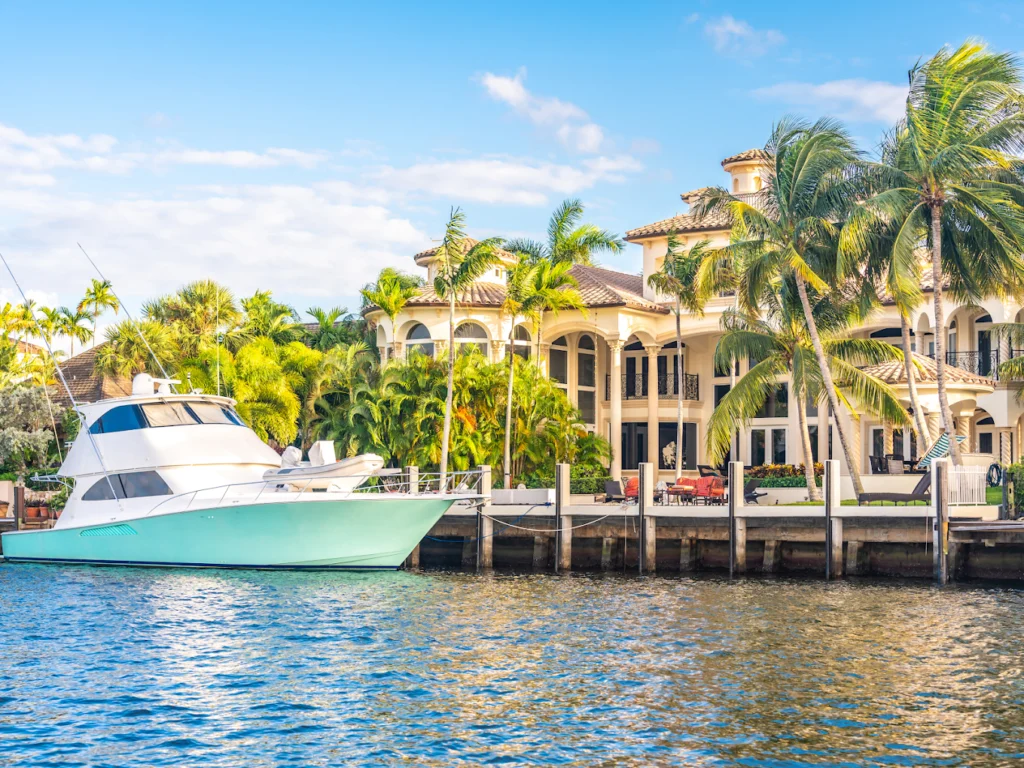
Waterfront property value is influenced by factors that landlocked pricing analysis does not touch: linear feet of water frontage, ocean vs. canal vs. intracoastal position, fixed vs. no-fixed-bridge access to open water, dock and seawall condition, and orientation. A specialist knows which of these actually move the number in the local market and which are romantic details that do not. That knowledge shapes both what a buyer should pay and how a seller should price and market.
They Know the Neighborhoods on the Water
In markets like Fort Lauderdale, waterfront living concentrates in specific neighborhoods, Las Olas Isles, Rio Vista, Harbor Beach, Idlewyld, Coral Ridge, Sailboat Bend, Harbour Inlet, and each has its own character, price band, boating profile, and quiet local reputation among people who actually live and boat there. A working specialist has genuine familiarity with these areas, not just their names.
They Negotiate the Right Things
A generalist negotiating a waterfront purchase often negotiates the wrong items. A specialist knows to push on seawall condition, dock permit status, and included marine equipment (some sellers do not include the lift, some do), and knows which credit or repair concessions are standard on this type of property. The right specialist can save a buyer meaningfully more than their commission, or make a seller meaningfully more, simply because they know which levers to pull.
When a Generalist Real Estate Agent Is Still Fine
To be genuinely useful, this article has to admit that “hire a specialist” is not always the answer. A few situations where a strong generalist real estate agent works just as well:
A non-waterfront transaction near the water. A townhome or condo in a waterfront neighborhood without direct water access is not a waterfront transaction. It is a regular transaction that happens to be in a coastal ZIP code, and a good generalist covers it well.
A basic waterview property with no marine assets. A home that overlooks water but does not include a dock, seawall, or navigable access is a much simpler purchase.
Investor and rental purchases where the water is incidental. If you are buying to rent, and the property’s water access is a feature rather than the primary reason for the purchase, a generalist may be perfectly fine.
The rule is straightforward: if the water is why the property is worth what it is worth, hire a specialist. If the water is a nice-to-have but not the story, a good generalist can serve you well.
How to Verify Whether an Agent Genuinely Specializes
Because “waterfront specialist” is easy to write on a website, it is worth learning how to check. A few practical tests.
Look at their actual transaction history. A specialist can point to real closed waterfront sales, not just listings. Ask specifically: how many waterfront closings have you personally done in the last twelve to twenty-four months, and can you describe two of them? If they can walk you through a specific dock permit issue they resolved or a seawall negotiation they navigated, that is real experience. If they change the subject to their general track record, that is your answer.
Ask a targeted diligence question. For example: “If we found a functional but older seawall on a property we liked, what would you recommend we do during due diligence?” A specialist has a specific answer that mentions inspection, engineering opinion, remaining life estimates, and negotiation implications. A generalist has a general one.
Look at their marketing materials for waterfront listings. Do their listing photos include drone or aerial imagery that shows the water access, dock, and lot’s water frontage? Are the listing descriptions specific about dock size, water depth, ocean access, and bridge clearances? Or do they read like they could be for any home? Specialist marketing looks different because specialist listings are.
Check the neighborhoods on their bio. If their site or profile lists genuine familiarity with the actual waterfront neighborhoods, Las Olas Isles, Rio Vista, Harbor Beach, Coral Ridge, and so on, that is a signal. A generic “we work throughout South Florida” is not the same as demonstrable neighborhood-specific expertise.
Read their reviews for pattern, not volume. Are the reviews from waterfront buyers and sellers, mentioning specific water-related details, or are they generic praise? Reviews that mention docks, seawalls, boat access, or waterfront negotiations are the ones that matter.
What to Ask Before Hiring a Waterfront Specialist
A short call surfaces most of what a website cannot. Ask these directly:
- How many waterfront transactions have you personally closed in the last twelve to twenty-four months?
- What waterfront neighborhoods do you most actively work in?
- Can you walk me through your standard due diligence process for a waterfront purchase?
- How do you handle inspections of docks and seawalls?
- Do you have relationships with marine surveyors, dock builders, and specialized inspectors?
- How do you research fixed-bridge clearances and water depth for a specific listing?
- What flood zone or insurance considerations do you typically flag for buyers early?
- Are you familiar with the specific homeowner association rules for waterfront communities in this area?
- Do you work with a broker or team that offers full luxury and waterfront real estate services?
- How do you handle out-of-state buyers who cannot inspect the water side of the property in person?
The pattern to look for is not any single perfect answer but the specificity and confidence of the responses overall. A real specialist speaks about this work fluently. A generalist reaches for platitudes.
Sellers vs. Buyers: Does the Specialist Matter Differently?
Yes, and it is worth being clear about the distinction, because the value shows up differently.
For sellers, a waterfront specialist matters most in pricing, marketing, and buyer targeting. Pricing a waterfront home correctly requires understanding which features drive premium and which do not, and a specialist prices to the actual market rather than to a comparable landlocked property’s ratio. Marketing benefits from professional aerial photography that shows the dock, water frontage, and access, and from listing descriptions that read as informed rather than generic. And buyer targeting differs: waterfront buyers often come from out of state or out of country, and a broker who works this segment routinely knows how to reach them.
For buyers, a waterfront specialist matters most in due diligence and negotiation. The buyer’s exposure to unknown risk is much higher, seawall failure, unpermitted dock, wrong bridge clearance for their boat, unexpected flood insurance costs, and a specialist is who catches these before closing rather than after. This is the side where getting it wrong is genuinely expensive, and getting it right saves the transaction.
Beyond Waterfront: Other Types of Specialization Worth Considering
Waterfront is the clearest case for specialization, but not the only one. A few other categories where a specialist is worth seeking out:
Luxury properties. Above certain price thresholds, the transaction dynamics, marketing standards, and buyer expectations shift. A luxury specialist knows how to market to the right audience and negotiate at the right register.
Investment and multifamily. Buying a duplex, small multifamily, or a single-family rental as an investor is a genuinely different exercise from buying a primary residence. Cap rates, tenant considerations, and financing structure all matter differently.
Commercial real estate. Office, retail, mixed-use, and redevelopment work is its own field with its own agents and brokers.
First-time buyers. New buyers benefit enormously from an agent who is patient, communicative, and used to guiding a client through the entire process from pre-approval through closing.
Relocation buyers. Out-of-state and out-of-country buyers benefit from agents who understand remote transactions, digital due diligence, and the reality of committing to a home before physically walking it.
A good brokerage often has agents specialized in more than one of these categories under the same roof, which lets a client stay with one team across different needs.
Local Market Context
South Florida is one of the country’s clearest cases for waterfront specialization simply because of how much of the market is waterfront. Fort Lauderdale in particular has an unusually deep concentration of navigable canals, intracoastal frontage, and ocean-access neighborhoods, and the tax base, lifestyle, and boating culture reflect it. In markets with heavy waterfront inventory, working with an agent or brokerage that treats waterfront as core rather than incidental is meaningfully different from working with a generalist who happens to sell an occasional canal home. When a firm offers dedicated waterfront real estate services in Fort Lauderdale as a core specialty, that focus tends to translate into the specific knowledge, relationships, and marketing standards this segment requires.
Red Flags Worth Walking Away From
A few patterns reliably predict a specialist claim that is more label than substance.
- Cannot describe recent waterfront transactions in specific detail.
- No professional aerial photography on waterfront listings.
- No mention of dock inspections, seawall diligence, or bridge clearances during the interview.
- Generic marketing that treats a waterfront listing like any other.
- Reviews with no waterfront-specific mentions.
- Uses “luxury” and “waterfront” interchangeably without distinguishing them.
- Cannot answer targeted diligence questions confidently.
- Reluctance to introduce you to a marine surveyor or dock builder in their network.
Any one of these is worth pausing on. Several together mean you are talking to a generalist with the wrong label.
Conclusion: Match the Specialist to the Property
The honest answer to the question is that it is genuinely better to hire a real estate agent who specializes in waterfront properties whenever the water is a real reason the property is worth what it is worth. The mistakes generalists make on waterfront transactions are not small mistakes. They are seawalls, dock permits, insurance surprises, and boat access that does not match the buyer’s boat. A specialist prevents these problems. A generalist tends to discover them.
At the same time, “specialist” needs to mean real experience, current transaction history, specific knowledge of the neighborhoods and infrastructure, and marketing standards that reflect the segment. Vet accordingly, and you will spend the same commission getting a materially better transaction.
If you are considering a waterfront or luxury purchase or sale in South Florida, Perfect Properties of Florida is a locally owned brokerage specializing in waterfront, luxury, residential, commercial, and investment representation across Fort Lauderdale, Broward, Miami-Dade, and Palm Beach counties. Explore their approach to real estate purchase services in Fort Lauderdale, or call (305) 790-0199 to schedule a private consultation about your specific property or search. Hire the specialist for the transaction, not the label for the bio.
FAQs
Is it better to hire a real estate agent who specializes in waterfront properties?
For most waterfront transactions, yes. A genuine specialist knows the specific due diligence and negotiation points, seawalls, dock permits, bridge clearances, water depth, flood insurance, and marine HOA rules, that generalists routinely miss. On a non-waterfront property that happens to be near the water, a good generalist can be fine.
What’s the difference between a waterfront specialist and a generalist real estate agent?
A generalist knows the general market. A specialist knows the specific diligence and negotiation points that only apply to waterfront homes, has established relationships with marine surveyors and dock builders, prices waterfront features accurately, and markets waterfront listings with proper aerial photography and dock-specific detail.
How do I verify a real estate agent’s waterfront experience?
Ask how many waterfront transactions they have personally closed in the last twelve to twenty-four months, ask them to walk you through a specific recent deal, put a targeted diligence question to them (like how they would handle an older seawall), and check whether their marketing materials for waterfront listings look genuinely informed rather than generic.
What waterfront areas do good agents typically cover in Fort Lauderdale?
Specialists usually work the concentrated waterfront neighborhoods, which in Fort Lauderdale include Las Olas Isles, Rio Vista, Harbor Beach, Idlewyld, Coral Ridge, Sailboat Bend, and Harbour Inlet, along with premium boating communities in nearby Lighthouse Point and Pompano Beach. Genuine familiarity with these areas is a signal of real experience.
How does a waterfront real estate agent help with negotiation?
By pushing on the right items: seawall condition and credits, dock permit status and inclusions, marine equipment like lifts and davits, and flood insurance implications. Generalists often negotiate the wrong things on a waterfront deal or miss the negotiating leverage entirely.
Should a first-time home buyer hire a waterfront specialist?
If the first purchase is a waterfront property with real marine assets, yes. The due diligence complexity is genuinely higher than for a standard home, and a first-time buyer benefits from a specialist who walks them through it. If the first home is not directly waterfront, a strong generalist familiar with first-time buyers may be a better fit.
Do waterfront specialists cost more than regular real estate agents?
Commission rates are typically similar. What differs is the value delivered per commission dollar, since specialists catch expensive problems and negotiate items generalists miss. The math almost always favors the specialist on a genuine waterfront transaction.
Should I hire a real estate agent familiar with HOA communities?
Yes, especially in South Florida where many waterfront and luxury communities operate under HOA or condo association rules that govern dock use, boat storage, exterior modifications, and rental restrictions. An agent familiar with these rules helps you avoid buying into a community whose rules do not match how you want to live.